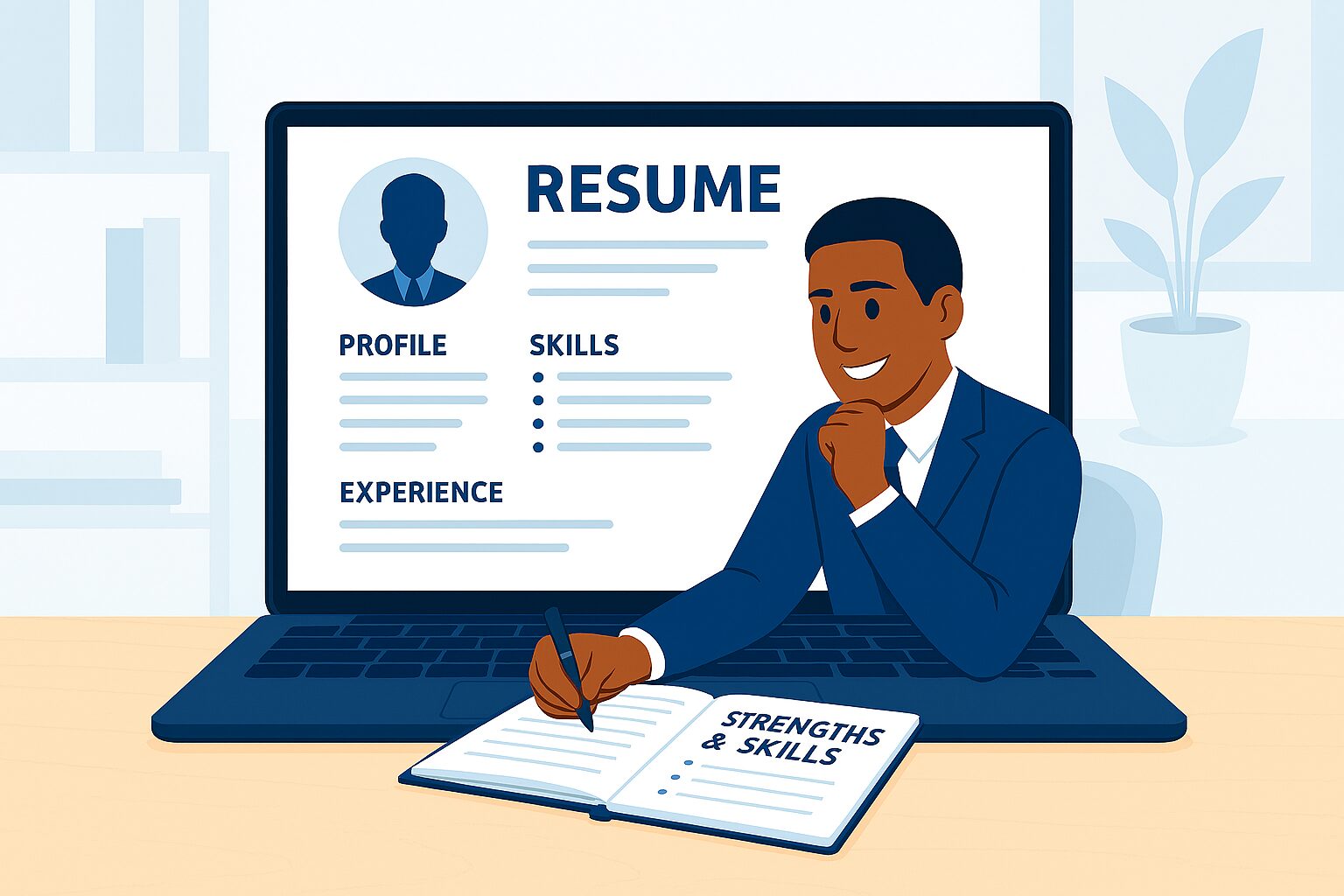

Creating a strong resume is one of the most important steps in landing a job in the Middle East. Employers in countries like UAE, Qatar, and Saudi Arabia look for resumes that are clear, concise, and professionally formatted. This step-by-step guide will help you build a resume that meets Gulf employer expectations.
1. Choose The Right Resume Format
Select a format that highlights your strengths:
- Chronological: Best for consistent work history
- Functional: Emphasizes skills over experience
- Combination: Mix of both for versatile profiles
Choose a format that aligns with your experience and job role.
2. Include Essential Personal Information
Gulf employers expect clear personal details:
- Full name
- Contact number (with country code)
- Professional email address
- Current location and willingness to relocate
Avoid unnecessary personal information.
3. Write A Professional Summary
A summary at the top provides a quick overview:
- 2–4 sentences highlighting experience, skills, and career goals
- Focus on relevance to the desired Middle East job
- Avoid generic statements
Make it concise, professional, and impactful.
4. Highlight Work Experience
Clearly showcase your relevant experience:
- Job title, company name, and employment dates
- Key responsibilities and achievements
- Use action verbs and quantify results when possible
Focus on experience that matches Gulf employer requirements.
5. Showcase Education And Certifications
Middle East employers value qualifications:
- Degree(s) and institution(s)
- Relevant certifications and training
- Highlight licenses if applicable (e.g., technical or professional)
Ensure authenticity and clarity of all listed qualifications.
6. Emphasize Skills
Skills are critical to stand out:
- Technical skills related to your job
- Soft skills such as communication, teamwork, and adaptability
- Language skills, especially English and Arabic if applicable
Present skills clearly in a separate section for visibility.
7. Keep It Clear And Professional
Gulf recruiters prefer resumes that are:
- Neatly formatted and easy to read
- Free from typos and grammatical errors
- Not more than 2 pages (unless highly experienced)
- Well-organized with bullet points for readability
Professional formatting improves first impressions.
8. Add References If Required
Include references only if requested:
- Preferably previous supervisors or managers
- Include name, position, and contact details
- Keep references professional and credible
Many employers contact references for verification.
Conclusion
Creating a strong resume for Middle East jobs requires attention to detail, clarity, and professionalism. By following this step-by-step resume guide, you can craft a CV that increases your chances of being shortlisted and impresses Gulf employers.
For more career guidance and resume tips, visit myjobsadvisor.com.
⚠️ Job Scam Warning:
Never provide personal or financial information to unknown recruiters promising Gulf jobs. Always apply through verified job portals or company websites.
🖼️ Featured Image Disclaimer:
The featured image used in this post is AI-generated and is for illustrative purposes only.