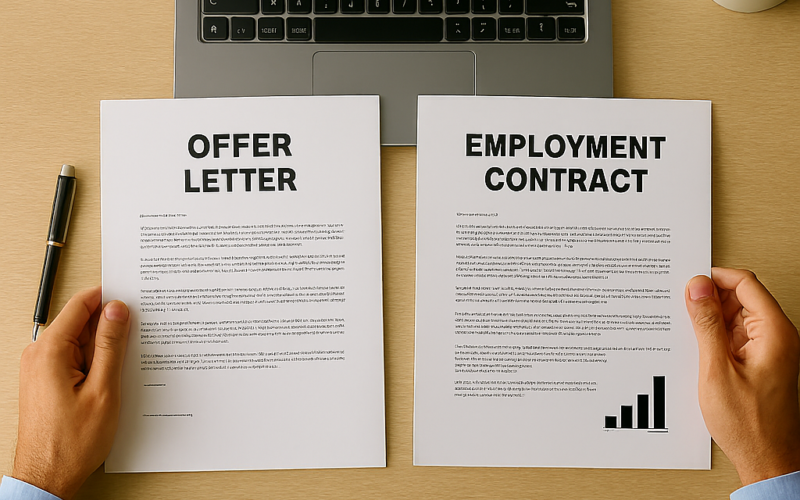
Fake HR emails and calls are common scams targeting job seekers in Gulf countries. Knowing how to identify fake HR emails and calls can save you from financial loss and legal issues.
1. Check The Sender’s Email Address
- Official companies use corporate domains, not free email services
- Look for typos or unusual domain names
- Avoid emails from Gmail, Yahoo, or Hotmail claiming to be HR
Authenticity is verified by domain.
2. Verify Contact Numbers
- Fake recruiters often use mobile numbers or WhatsApp only
- Official HR numbers are listed on company websites
- Always cross-check with the company directory
Legitimate contact improves trust.
3. Look For Red Flags In Emails
- Urgent payment requests for processing or visas
- Poor grammar or unprofessional tone
- Promises of high salary without interview
Scam emails often contain pressure tactics.
4. Avoid Sharing Sensitive Information
- Never share passport, bank details, or personal ID without verification
- Wait for official contract and offer letter
- Keep proof of communication
Sensitive data is often misused in scams.
5. Confirm Through Official Channels
- Contact company HR directly using official website
- Verify recruitment campaigns on company portals
- Embassy or labor authority confirmation
Official verification prevents fraud.
Conclusion
Knowing how to identify fake HR emails and calls ensures your job search remains safe in Gulf countries. Always verify sender authenticity, avoid upfront payments, and use official channels for communication.
For trusted Gulf job guidance, visit myjobsadvisor.com.
⚠️ Job Scam Warning:
Never respond to HR emails or calls asking for money or personal documents. Always verify employer legitimacy before sharing sensitive information.
🖼️ Featured Image Disclaimer:
The featured image used in this post is AI-generated and is for illustrative purposes only.